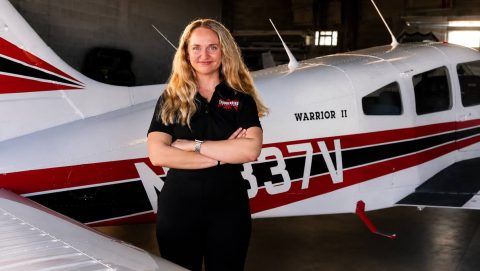
Choosing an aviation college is a big decision, and it can shape your future for years. If you are a student thinking about becoming a pilot or working in aviation, it helps to slow down and ask the right questions before you enroll. The goal is not just to find a school. The goal is to find the right fit for your learning style, career plans, budget, and timeline. There are many schools and training paths, and they can look similar at first. But once you start asking better questions, the differences become clear. A strong aviation college should help you build skills, stay safe, move forward with confidence, and prepare for real careers. Here are 10 smart questions to ask before choosing an aviation college.
1. What are my aviation goals, and does this college fit them?
Before you compare schools, start with yourself. Are you hoping to fly for fun, earn a private pilot license, become a commercial pilot, or move toward an airline career? Some students also want to add ratings like instrument or multi-engine training, while others may want a broader college experience with a degree. Your goal matters because it changes what kind of program is best for you. A good college should be able to explain how its program matches your path and what steps come next. For students, this is especially important because you want a school that can support both your short-term training needs and your long-term career plans.
2. Is the school FAA-approved, and what kind of training structure does it use?
You should always ask about certifications and FAA approval. A quality aviation college should be clear about its approvals and training standards. This helps you know the school follows required rules and has a structured approach to teaching. It is also smart to ask whether training is more structured or more flexible, and how that affects your progress. Some students do well with a very clear step-by-step path, while others need more scheduling flexibility. The best schools explain this in simple terms, so you know what to expect before you begin.
3. What is the instructor-to-student ratio, and how much one-on-one support will I get?
Flight training is personal. You are learning skills that require practice, feedback, and trust. That is why the instructor-to-student ratio matters. If too many students are assigned to too few instructors, scheduling can get harder and progress can slow down. Ask how often you will work with the same instructor and how much personal attention you can expect. Consistency helps many students learn faster because the instructor understands your strengths and where you need more practice. A supportive learning environment can make a huge difference, especially when you are just starting out.
4. Are the instructors experienced, available, and teaching in a standardized way?
Not all instructions are the same. Ask about instructor experience, how long they have been teaching, and whether they are full-time or part-time. Experienced instructors often bring real-world knowledge that helps students understand both training and aviation careers. You should also ask whether the college uses a standardized teaching method. When instructors teach in a consistent way, your training stays smooth even if you work with more than one instructor. Without standardization, students can hear different methods that create confusion and slow progress.
5. What is the aircraft fleet like, and how is it maintained?
The condition and availability of aircraft can directly affect your training timeline. Ask what kinds of aircraft the school uses, how many are available, and what happens if a plane is down for maintenance. A school with a well-managed fleet can help reduce delays. It is also important to ask how maintenance is handled. Some schools maintain aircraft in-house with certified mechanics, while others outsource maintenance. Either way, the school should be able to clearly explain its maintenance process and safety standards. You want to train in aircraft that are well cared for and ready to fly.
6. What simulators and ground training resources are included?
Flight training is not only about time in the air. Ground school and simulator training are major parts of learning. Ask what simulators are available and how students use them to practice procedures, instrument work, and emergency situations. Strong ground training resources can help you build confidence before you are in the cockpit. This can improve safety and help you understand concepts faster. A good aviation college will show you how classroom learning, simulator time, and flight time work together as one complete training experience.
7. Can the college explain the full cost clearly, including fees and financing options?
This is one of the most important questions to ask. Flight training costs can add up quickly, and you need a clear picture before you commit. Ask for a full breakdown that includes instruction, aircraft time, materials, fees, and any other costs that may come up. You should also ask about payment plans, financial aid, and financing options. A trustworthy college will be transparent and help you understand what you are paying for. For many students and families, clear pricing reduces stress and makes it easier to build a realistic plan.
8. How long does training usually take, and what can delay progress?
Every student learns at a different pace, but the school should still be able to share typical timelines. Ask how long it usually takes students to complete the program or rating you are considering. This helps you plan your schedule, work, and finances. Also ask what can cause delays. Weather, aircraft availability, instructor schedules, and student time commitments can all affect progress. In Minnesota, weather can be a real factor at certain times of year, so it is helpful to ask how the college helps students stay on track when conditions are not ideal.
9. What is the school’s culture like, and does it put safety first?
The school’s culture matters more than many people expect. When you visit, pay attention to how instructors, staff, and students interact. Do people seem engaged, respectful, and helpful? A strong learning environment should feel professional, supportive, and focused. You should also ask about safety. A great aviation college does not just teach students how to pass tests. It teaches students how to think safely and make good decisions. That safety-first mindset is a key part of becoming a skilled, confident aviator for the long term.
10. What outcomes do graduates have, and what support comes after training starts?
Ask where graduates go after completing training. Do they move into flight instructor roles, continue earning advanced ratings, or step into aviation careers? Graduate outcomes can tell you a lot about a school’s quality and how well its training prepares students for real opportunities. It is also smart to ask what support you get during your time at the college. Career guidance and academic support can help you stay focused and move forward. For students who want a well-rounded path, a college that combines aviation with strong business and accounting programs can also create more career options over time.
Ready to Start Your Aviation Journey in Minnesota?
If you are a student exploring aviation training, the best next step is to ask smart questions and talk with a school that understands both career preparation and real student needs. Academy College in the Twin Cities is a Minnesota-based institution with programs in Aviation, Business, Accounting, and more, and it is well positioned to help students build practical skills for the future. If you want a local college that can guide you through your options with clarity and support, contact Academy College and start the conversation today!